Reimagining People as Strategic Assistants to AI: an AI-First Approach to Workforce Transformation
In the early days of computing, many dismissed computers as glorified calculators - useful, perhaps, but limited in scope. Today, a similar mistake is being made with artificial intelligence. Treating AI as just another tool is not only shortsighted, it’s fundamentally flawed.
AI is not a tool; it’s a paradigm shift
It's a fundamental change our Digital Transformation Consulting Firm helps leaders navigate.
Artificial intelligence is reshaping the workforce in ways far more complex and impactful than the computer revolution of the 1980s. While computers automated tasks and accelerated productivity, AI is redefining how decisions are made, how systems learn, and how value is created. It’s not just about doing things faster - it’s about doing entirely different things, in entirely different ways.
Yet many organizations still approach AI with a retrofit mindset: trying to squeeze it into legacy workflows, hoping it will enhance efficiency without disrupting the status quo. This approach is akin to installing an engine on a horse cart. You need a complete redesign of the cart for it to exploit the power and convenience of an engine.
The Shift: From AI-Assisted Humans to Human-Assisted AI
|
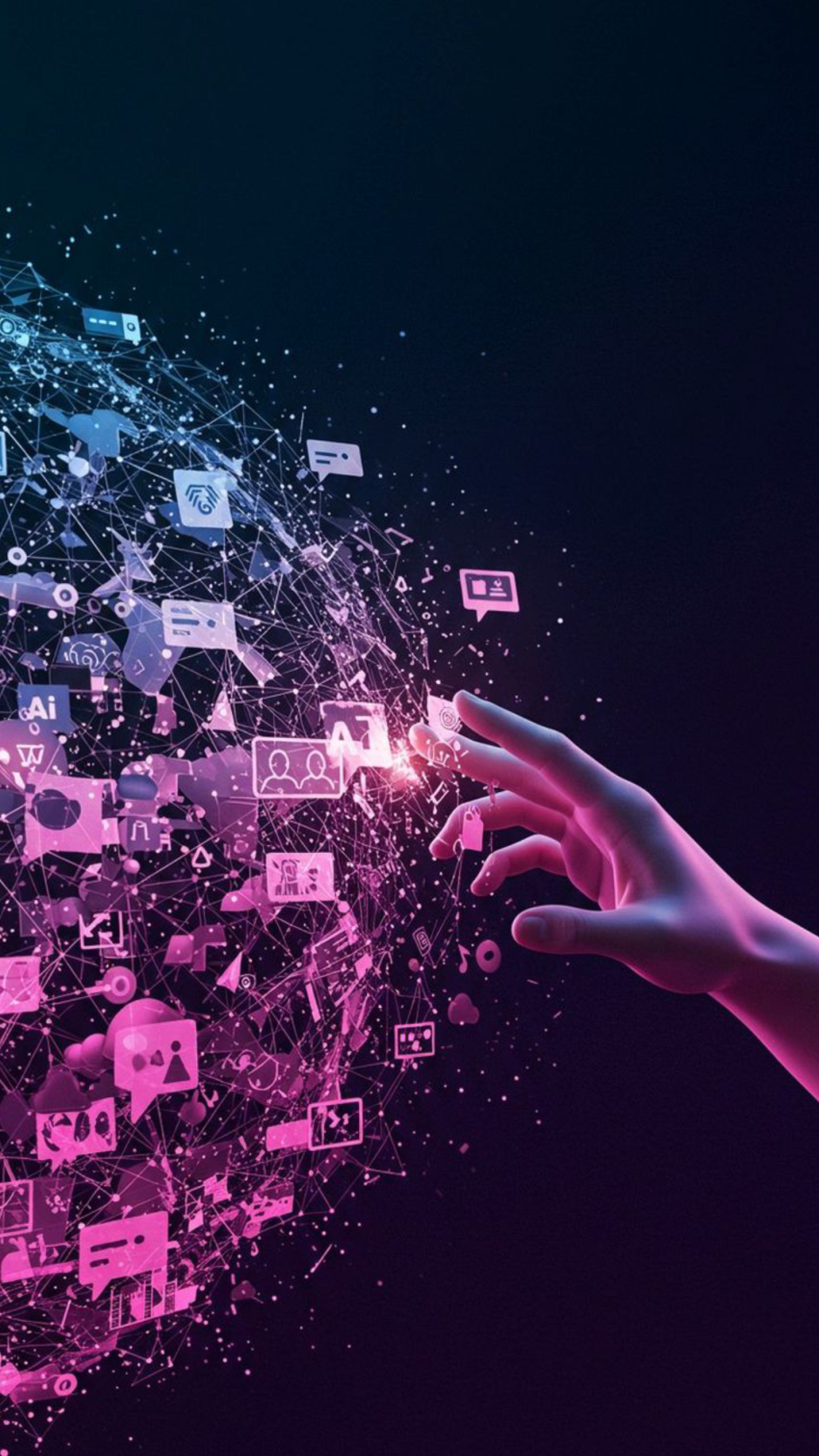
As AI becomes more powerful and capable, the traditional model, where humans lead and AI supports, is being inverted. We’re entering an era where AI takes the lead in many domains, and humans intervene strategically to guide, correct, and align outcomes with ethical and contextual nuance. This shift demands a radical reimagining of the workforce. People are no longer the primary drivers of routine tasks - they become strategic assistants to AI, curators of intelligence, and stewards of value. |
Image

|
| Also Read: Digital Transformation Without Culture Change Is a Money Pit |
Why Retrofitting Doesn’t Work
Legacy workflows are built on human-centric assumptions: linear processes, manual oversight, and siloed decision-making. AI thrives in environments that are adaptive, interconnected, and data-rich. This requires a new framework for organizational cohesion, a core principle of The Enterprise Atom™. Retrofitting AI into these outdated systems creates friction, inefficiency, and missed potential.
Instead, organizations must adopt an AI-first approach, placing AI at the center of process design and evolving workflows around its capabilities.
Transformation ≠ Upskilling
Too often, workforce transformation is reduced to “upskilling” - teaching people how to use AI tools. But this is a limited view. True transformation requires a deeper shift: rethinking the nature of work itself.
- What tasks should be delegated to AI?
- Where do humans add irreplaceable value?
- How do we design roles that complement, not compete with, intelligent systems?
The answers to these questions will define the future of work.
New Roles, New Skills, New Mindsets
As AI reshapes workflows, entirely new roles will emerge, roles that didn’t exist in the pre-AI era. These may include:
AI Ethicists: Ensuring systems align with human values.
Intelligence Curators: Training and refining AI models with contextual insight.
Human-AI Interaction Designers: Crafting intuitive interfaces between people and machines.
Strategic Interveners: Monitoring autonomous systems and intervening when human judgment is required.
Skilling, therefore, must focus on preparing people for these new roles, not just making them “users” of AI, but collaborators in a shared intelligence ecosystem.
The Future Is AI-First, and Human-Centered
Reimagining the workforce as strategic assistants to AI is not about diminishing human value. It’s about elevating it. By freeing people from routine tasks and empowering them to guide, shape, and refine intelligent systems, we unlock a new era of creativity, ethics, and purpose.
The organizations that thrive in this future will be those that embrace AI not as a bolt-on enhancement, but as a foundational shift. They will design workflows around intelligence, not tradition. And they will see their people not as operators, but as orchestrators of a new symphony - where AI plays the instruments, and humans conduct the meaning.